
Blogs

Sharing knowledge is key to an innovative and healthy industry! This knowledge center is therefore a central place on our website to share information. Read all about our industry in the blogs below!

Top Window and Door Trends You Need to Know?

The world of home design is constantly evolving. Trends emerge in various aspects, including Window & Door designs. These elements can transform a home's aesthetic and function.

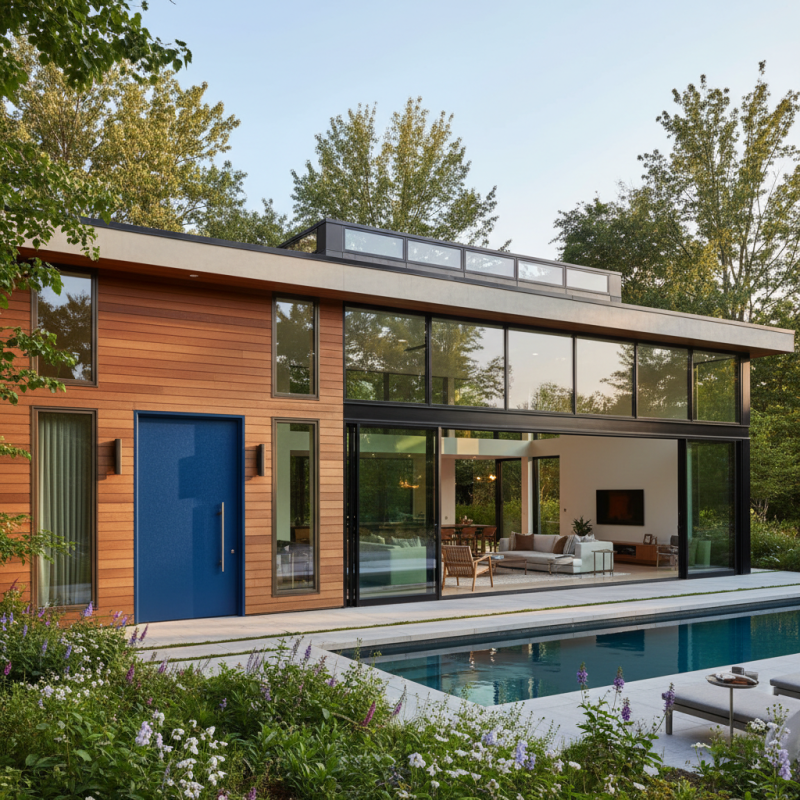
Innovative materials and styles are gaining popularity. Homeowners seek energy efficiency while ensuring aesthetics. Large glass panels and sliding doors create a seamless indoor-outdoor connection. Many are now opting for vibrant colors and unique finishes to express their individuality.

However, choosing the right Window & Door options can be overwhelming. The market is filled with choices that may not always meet practical needs. It's essential to balance trends with functionality to avoid costly mistakes. Reflecting on personal taste and home environment is crucial for making the right selections.
Top Window and Door Trends You Need to Know?

Emerging Materials and Technologies in Window and Door Designs

The window and door industry is rapidly evolving, driven by innovative materials and technologies. According to a recent report by Allied Market Research, the global market for these products is expected to reach $400 billion by 2027, growing at a rate of 6.2% annually. This growth is largely attributed to advancements in sustainable materials and energy-efficient designs.

Emerging materials such as fiberglass and thermoplastic composites are becoming popular. These materials offer superior insulation and durability compared to traditional options. They are lightweight and provide better energy efficiency. In fact, a study by the U.S. Department of Energy shows that advanced window technologies can reduce energy costs by up to 30%. However, there are concerns about their initial costs and long-term environmental impact.

Smart technology integration is another significant trend. Many windows and doors now feature automated controls and sensors. These systems enhance security and improve energy management. Yet, the complexity of these technologies can lead to maintenance challenges. As users become more dependent on connectivity, any malfunction can result in frustration. Understanding the balance between convenience and reliability is essential for future developments in this field.

Sustainable and Energy-Efficient Solutions for Modern Homes

In modern architecture, sustainable and energy-efficient windows and doors are gaining popularity. Homeowners are increasingly aware of their environmental impact. Energy-efficient solutions can significantly reduce utility bills. They often pay for themselves over time.

Using materials like recycled aluminum or sustainably sourced wood is essential. These options not only lower carbon footprints but also create a warm, inviting atmosphere. For example, triple-glazed windows enhance insulation. They trap heat in cold weather and reflect it during warm months. The design matters too. Sleek frames maximize natural light, making spaces feel larger.

Despite the benefits, some homeowners hesitate. They may worry about initial costs or installation complexities. It's crucial to weigh these factors realistically. Long-term savings can outweigh initial investment. Reflecting on these aspects fosters informed choices. Sustainable practices shouldn’t be seen as mere trends but essential for future living.

Innovative Security Features Enhancing Safety in Windows and Doors

Innovative security features are transforming windows and doors. Homeowners increasingly seek protection and peace of mind. Advanced locking mechanisms are now standard. Smart locks with biometric access are gaining traction, enhancing safety and adding convenience.

Another trend is reinforced glass. This material is resistant to shattering, deterring potential intruders. Manufacturers also offer windows with built-in sensors that alert homeowners when someone approaches. The integration of smart technology is key. Surveillance cameras are often connected, providing real-time updates.

However, with these advancements, there are challenges. Not all systems are foolproof. Some homeowners may overlook proper installation. Regular maintenance checks are essential to ensure effectiveness. A compromised window can offer false security. Awareness of these details is crucial for true safety.

Popular Aesthetic Trends in Window and Door Styles

The aesthetics of windows and doors are changing rapidly. Modern homeowners value both beauty and functionality. According to recent industry reports, over 75% of buyers prefer natural materials. Wood and fiberglass options dominate the market. Many homeowners want that cozy, rustic feel inside their space.

Bold colors are also on the rise. Nearly 40% of new builds feature striking hues. Deep greens and rich blues are replacing the traditional whites and neutrals. These colors add character to homes. However, selecting a standout color can be risky. Not all homeowners feel confident in this choice. Some fear it may become outdated quickly.

Another notable trend is larger openings. Folding and sliding doors become increasingly popular. They create seamless transitions between indoor and outdoor spaces. Reports suggest that 83% of buyers want more natural light. Still, ensuring proper insulation with these designs can be challenging. Homeowners often overlook energy efficiency in their desire for style. Balancing these needs develops unique, personal spaces.

Smart Home Integration: The Future of Windows and Doors

Smart home integration is revolutionizing how we interact with windows and doors. Imagine controlling your home’s entry points with a simple voice command or a tap on your smartphone. This technology makes life easier and offers enhanced security. However, it’s essential to consider the challenges that come with such advancements.

One key aspect is compatibility. Not all devices work seamlessly together. Homeowners may find themselves stuck with gadgets that don’t communicate. This can lead to frustration and additional expenses. Moreover, there are concerns about privacy. How safe is our data when we connect home devices to the internet? The convenience of smart technology should not overshadow these critical issues.

Another point to ponder is installation complexity. Some systems may require professional help. This could deter DIY enthusiasts who prefer managing tasks independently. Not to mention, there’s a risk of dependency on technology. What happens if the system fails? These are vital questions for homeowners considering smart home integration. The journey into a smarter living space is exciting, yet reflection on these challenges is necessary.