- Home
- >
- Knowledge Center
- >
- Blogs
Blogs
Sharing knowledge is key to an innovative and healthy industry! This knowledge center is therefore a central place on our website to share information. Read all about our industry in the blogs below!
7 Tips for Choosing Reliable Iso Tank Repair Services
Choosing reliable Iso Tank Repair services is a safety decision, not merely a maintenance purchase. The ITCO 2024 Global Tank Container Fleet Survey reported approximately 801,800 tank containers worldwide. That scale increases pressure on repair networks, inspection quality, and turnaround times. A weak repair can leave visible clues: fresh weld marks, uneven coating, damaged valve threads, or missing test records.
Richard van de Velde, a recognised tank-container technical specialist, stated, “A tank container is only as safe as its last inspection.” This principle deserves attention. However, it should not replace documented evidence. Reliable providers should demonstrate qualified technicians, calibrated testing equipment, traceable materials, and procedures aligned with applicable ISO standards. Their work should also reflect current requirements from organisations such as ITCO, the International Maritime Organization, and national pressure-equipment authorities.
The following seven tips examine practical warning signs. They cover inspection depth, welding competence, pressure testing, spare parts, documentation, emergency support, and total cost. Industry reports often describe fleet growth, but they rarely show how inconsistent repairs affect operators day after day. That gap matters.
Ask for photographs before and after repair. Request serial-number traceability. Check whether the facility records torque values and test pressures. These details may feel excessive. They are not.
Even experienced buyers can choose poorly when delivery promises dominate the discussion. A fast return is useful only when the tank is safe, compliant, and ready for service. Iso Tank Repair should be evaluated through evidence, not confident language.
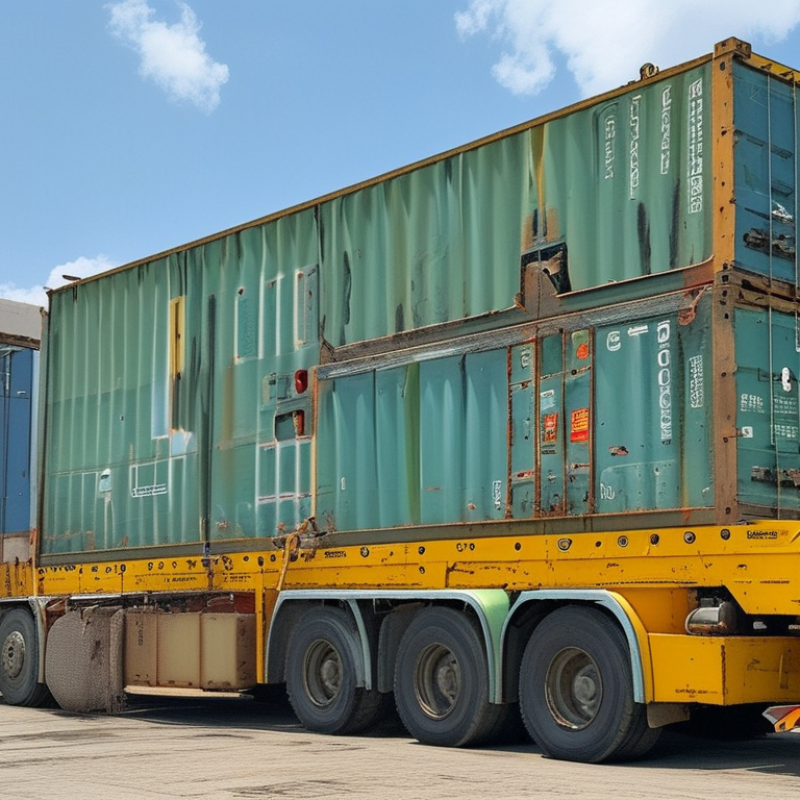
Verify ISO 1496-3, CSC, and ADR compliance before selecting a repairer
Choosing a reliable ISO tank repairer starts with compliance, not a polished workshop. Check that repair procedures match ISO 1496-3 requirements for tank design, testing, and structural safety. Ask for current CSC safety approval records, including inspection dates and authorized inspection bodies. Then verify ADR competence for road transport within applicable regions. ADR requirements cover equipment, examinations, markings, and operating safety.
Inspect the workshop in person if possible. Look for controlled welding areas, calibrated pressure equipment, and clear cleaning procedures. Request traceable records for material certificates, weld inspections, pressure tests, and leak tests. Compare the repairer’s scope with your tank’s actual damage, especially around manlids, valves, frames, and corner fittings. A cheap quote may omit essential testing. That happens.
Check whether technicians understand tank-specific failure patterns, not only general container repairs. The ITCO Global Tank Container Fleet Survey 2024 reported a worldwide fleet of about 801,800 tank containers, showing how many assets depend on consistent maintenance. Ask how repaired tanks are released, labeled, and documented for future inspections. Review response times and escalation procedures before an urgent repair occurs. Speak with recent customers, but treat testimonials carefully. They are useful, not proof.
Do not accept copied certificates. Confirm identification numbers, dates, test pressures, and inspector signatures against the tank’s records. UNECE ADR guidance requires documented periodic and exceptional examinations for applicable tanks. Small discrepancies deserve attention. I would also ask the repairer to explain one rejected repair openly; honest limitations often reveal stronger technical judgment.
7 Tips for Choosing Reliable ISO Tank Repair Services
Verify ISO 1496-3, CSC, and ADR compliance before selecting a repairer. The chart shows the maximum reference intervals commonly used for formal tank examinations. ISO 1496-3 defines design and testing requirements but does not prescribe a universal examination interval.
CSC: the first examination is required no later than five years after manufacture, followed by examinations at intervals of no more than 30 months. ADR: periodic examination is generally required every five years, with an intermediate examination at 30 months. Ask the repairer for inspection records, approved procedures, qualified personnel, material traceability, pressure-test evidence, and documentation covering the applicable cargo and transport requirements.
Reference basis: IMO CSC 1972, Annex I Regulation 2; ADR 6.8.2.4; ISO 1496-3.
Check 2.5- and 5-year inspection records under ADR/UN tank rules
Choosing a reliable ISO tank repair service requires more than checking workshop equipment. Ask for the tank’s 2.5-year intermediate inspection and five-year periodic inspection records. These checks may include pressure testing, leak testing, structural examination, and safety-device verification under applicable ADR and UN tank requirements.
Tip: Match every record to the tank identification plate.
Confirm the tank number, approval details, inspection dates, and inspection scope. A trustworthy technician should explain any failed test, temporary repair, or overdue examination in clear language. Records should include findings, corrective work, test results, and qualified inspector details. Do not accept vague statements such as “fully checked.” Dates matter. So do signatures.
Tip: Inspect the paperwork before approving repairs.
Compare the report with the tank’s physical condition. Look for fresh welds, distorted frames, damaged valves, worn gaskets, or unexplained paint covering repairs. A clean folder helps, but it is not proof of safe work. I have seen tidy records that raised more questions than answers. That deserves reflection. Ask whether the repair was completed under an approved procedure and whether the required follow-up inspection was recorded. Competent services will pause when evidence is missing, instead of rushing the tank back into operation.
Require ISO 3834-qualified welding and full material traceability
7 Tips for Choosing Reliable ISO Tank Repair Services
Tip 1
Require welding procedures aligned with ISO 3834. Ask for qualified welders, approved welding procedure specifications, procedure qualification records, and documented inspection stages. A clean bead is not enough. Hidden defects can remain.
Tip 2
Demand full material traceability. The repair file should link heat numbers, material certificates, filler-metal batches, weld maps, and non-destructive testing results.
Tip 3
Check whether records follow the tank from intake to release. In my experience, missing paperwork creates more uncertainty than visible corrosion. I would reject vague statements such as “materials verified.” Require evidence.
Tip 4
Review dimensional checks and pressure-test records.
Tip 5
Confirm that repairs match the tank’s design requirements and service conditions. Ask who approves deviations. ISO 3834 supports controlled welding quality, but it does not replace competent engineering judgment.
Tip 6
Inspect the repairer’s calibration system for gauges and testing equipment.
Tip 7
Request sample dossiers with sensitive details removed. A provider may promise traceability, yet its forms can still be incomplete. That gap deserves scrutiny.
Confirm pressure tests, valve checks, and documented leak-test results
7 Tips for Choosing Reliable Iso Tank Repair Services
Confirm pressure tests, valve checks, and documented leak-test results
A reliable ISO tank repair service should explain its testing process clearly. Ask who performs the pressure test and whether the gauges are calibrated. The report should show test pressure, holding time, test medium, date, and technician details. Vague phrases like “passed inspection” are not enough. Experienced technicians also inspect weld areas, fittings, manlids, and visible corrosion before testing. Small details matter.
Valve checks need equal attention. Request inspection of discharge valves, seals, handles, closures, and pressure-relief components. Ask whether damaged gaskets are replaced with suitable materials. The technician should record each valve’s condition, not simply mark the entire tank as acceptable. A practical repair shop may photograph valve faces, threads, and sealing surfaces. That evidence can prevent arguments later.
Leak-test results should be documented, traceable, and easy to understand. Look for the testing method, exact locations checked, readings, equipment identification, and final observations. A blank form with only a signature is a warning sign. The tank should be safely isolated and handled by qualified personnel during testing. Do not accept pressure results without supporting records. One imperfect report does not always mean poor workmanship, but missing records deserve careful questions. Ask for correction while the tank remains at the facility.
Compare turnaround times, warranty terms, and repair records across providers
Choosing reliable ISO tank repair services requires more than comparing hourly rates. Start with turnaround time, but ask what the estimate includes. A five-day promise may exclude inspection, pressure testing, coating, or parts delays. Request a written schedule with milestone dates. Clarify how the provider handles unexpected corrosion or damaged valves. Fast work is useful only when quality checks remain visible.
Warranty terms reveal how confidently a repairer supports its workmanship. Check the coverage period, excluded components, and response process for repeat defects. Ask whether labor, replacement parts, and transport are included. A vague warranty creates expensive arguments later. Look for practical details, such as inspection records, test certificates, and photographs taken before the tank leaves the facility. Keep everything in writing.
Repair records can show more than polished sales claims. Request anonymized examples involving similar tank materials, damage types, and service requirements. Compare repeat-repair rates, inspection findings, and delivery performance across providers. A provider that tracks failed seals or recurring weld issues demonstrates stronger technical control. Still, records may be incomplete. That is worth questioning. Speak with recent customers when possible, and ask whether the final invoice matched the original quotation. Small discrepancies can expose weak planning before your tank enters the workshop.
Related Posts
-
China's Premier Factory Delivering Exceptional Isotainer Tanks for Global Buyers
-
Revolutionizing Transportation: The Future of Best Bulk Tanker Trailers by 2025
-

Future Trends in Trailer Tank Markets Through 2025 Insights and Predictions
-
Top 5 Iso Tank Valve Manufacturers in China You Should Know?
-

Top Tank Container Parts You Need to Know in 2026?
-
Top Strategies for Maximizing Efficiency with Iso Liquid Containers