
- Home
- >
- Knowledge Center
- >
- Blogs
Blogs
Sharing knowledge is key to an innovative and healthy industry! This knowledge center is therefore a central place on our website to share information. Read all about our industry in the blogs below!
Why Choose the Right Iso Tank Valve for Your Needs?
Choosing the right Iso Tank Valve is crucial for safety and efficiency in transport. As industry expert John Smith wisely stated, "The valve is the heart of the tank." A poorly chosen Iso Tank Valve can lead to leaks or operational failures. These failures not only affect product integrity but can also incur significant costs.
Valves vary in design and function. Each application demands a specific type of valve. For example, a valve suitable for chemicals may not work for food-grade liquids. This mismatch can create risks that may not be immediately apparent. Understanding the specifications is essential.
The market is filled with options, yet many overlook critical features. Some prioritize price over quality, which can lead to regrets down the line. Proper research and professional advice can prevent these mistakes. Selecting an Iso Tank Valve tailored to your needs ensures reliability and peace of mind in your operations.
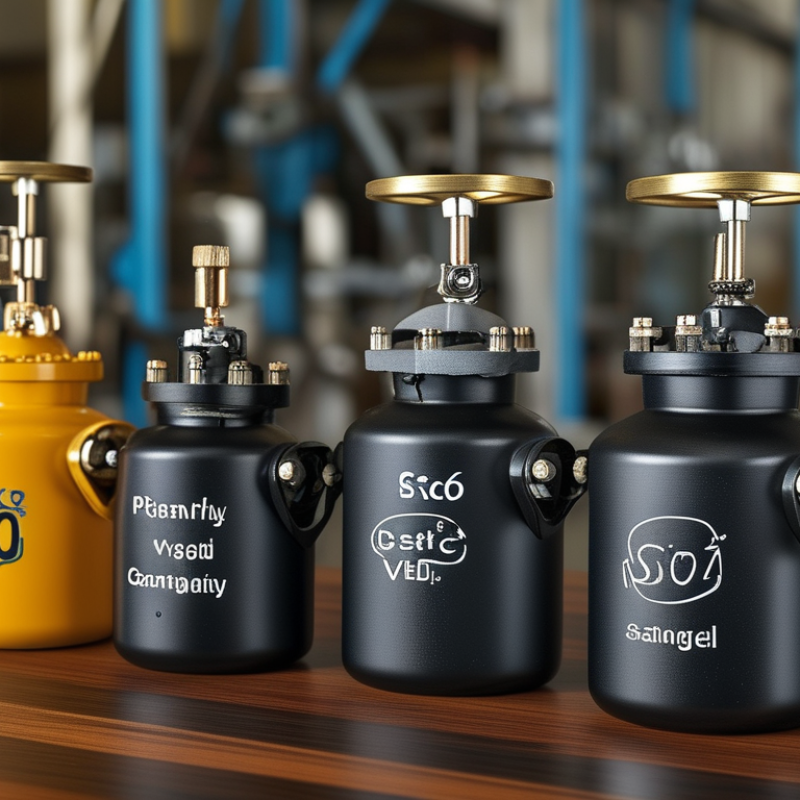
Importance of Selecting the Correct Iso Tank Valve for Safety
Choosing the right ISO tank valve is crucial for ensuring safety during the storage and transportation of liquids. A faulty valve can lead to leaks, spills, or worse, hazardous situations. Understanding the attributes of different valves helps reduce risks involved in your operations. Proper selection can save lives and protect the environment.
One should consider materials and construction when selecting a valve. Corrosion-resistant materials are valuable, especially for aggressive substances. Additionally, the valve's operating mechanism should match your specific needs. Manual valves might be appropriate for some, but automated ones can enhance safety by reducing human error.
However, not all designs are foolproof. Some valves may require frequent maintenance. Understanding the maintenance schedule is important. A lack of upkeep can compromise safety. It is critical to educate personnel on how to operate these valves correctly. Regular training ensures that everyone understands the importance of proper handling.
Key Features to Consider When Choosing Iso Tank Valves
When selecting an ISO tank valve, understanding key features is essential. The valve’s material plays a critical role. For example, stainless steel is often favored for its resistance to corrosion. This durability is vital in ensuring safety during transport. Furthermore, working pressure ratings must match operational requirements. Mismatched ratings can lead to hazardous situations.
Another critical aspect is the valve type. Different applications necessitate different valve designs. Consider whether a ball valve or a butterfly valve is more suitable for your needs. The ease of operation also matters. Valves that are difficult to open or close can reduce efficiency.
Look for designs that allow for quick, reliable actuation. Don’t overlook maintenance requirements. A valve that is hard to maintain can be a future headache. Assess how accessible components are for cleaning or replacement. Every detail counts in ensuring reliability during operation. It’s crucial to reflect on these elements to avoid potential setbacks.
Industry Standards and Regulations Impacting Iso Tank Valve Selection
When selecting an ISO tank valve, understanding industry standards and regulations is crucial. Compliance with relevant guidelines ensures safety and efficiency. The American Society of Mechanical Engineers (ASME) sets forth rigorous standards for tank valves, including required materials and pressure ratings. Non-compliance can lead to serious failures, risking human safety and leading to costly damages.
Many industries must adhere to the International Organization for Standardization (ISO) guidelines. ISO 16111 specifies the performance requirements for tanks used in the transport of hazardous materials. Approximately 80% of incidents are linked to improper valve selection. This statistic highlights the importance of thorough vetting during the selection process.
Moreover, regulations vary widely across regions. For example, Europe follows strict EU safety regulations, while other areas may have different criteria. Familiarity with local laws and standards is essential. Failing to do so can result in severe repercussions, including fines or project delays. Each selection should be a meticulous process, weighing both regulatory compliance and operational needs carefully.
Comparative Analysis of Valve Materials and Their Performance
When selecting iso tank valves, material choice is crucial. Different materials offer varying levels of resistance to chemicals and temperature. Stainless steel is often favored for its durability. However, it may not perform well with highly corrosive substances. Research indicates that plastic valves can withstand certain chemicals better. Yet, they often lack the strength for high-pressure applications.
A comparative analysis found that nickel alloys provide excellent resistance to harsh environments. These materials can endure extreme temperatures and pressures. Data from recent industry reports suggest that valves made from such materials have a significantly longer lifespan—up to 30% more than conventional stainless steel valves. However, these solutions may not be as readily available, impacting decision timelines.
Some manufacturers overlook the importance of valve seals. Poor seal selection can lead to leaks and reduced performance. Additionally, maintenance routines sometimes fail to address valve wear. Regular inspections can mitigate these concerns, but many operators neglect this step. The right valve material, along with proactive maintenance, can enhance reliability and performance in the long run.
Cost Considerations vs. Quality in Iso Tank Valve Purchases
Choosing the right iso tank valve is crucial for ensuring safety and efficiency. Cost often influences purchasing decisions. However, prioritizing quality can save money in the long run. Cheaper valves may have hidden costs. They might fail sooner, leading to replacements and downtime. Quality valves can prevent leaks and maintain proper pressure, ensuring product integrity.
Consider the materials used in valve construction. High-quality materials offer durability and longevity. Stainless steel, for instance, withstands harsh environments better than plastic. Evaluate the lifespan of different options. A higher upfront cost for a durable valve is often a wise investment.
Tips: Look for certifications. A certified valve meets safety standards. Compare warranties. A solid warranty indicates quality. Lastly, read reviews carefully. Genuine user experiences can guide smart choices. Make decisions based on long-term benefits, not just immediate costs.
Related Posts
-
Unlocking Efficiency: The Benefits of Superior Tank Container Parts for Your Business
-
Future Trends in Best Tank Container Parts and How to Adapt to 2025 Industry Changes
-
The Ultimate Guide to Understanding Iso Tank Fittings: Key Insights for Global Buyers
-

Exploring the Features and Applications of Best Iso Tank Containers: A Comprehensive Guide
-
How to Effectively Perform Iso Tank Repair for Optimal Safety and Efficiency?
-

Leading Tanker Parts Manufacturers from China at the 137th Canton Fair