China Best Bulk Tanker Trailer Manufacturer?
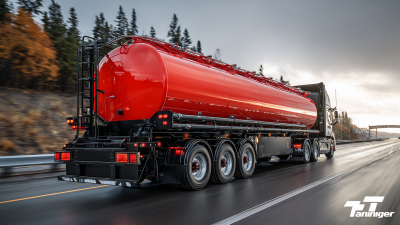
Choosing the China Best Bulk Tanker Trailer Manufacturer? This question deserves more than a price comparison. A reliable decision begins with the trailer’s intended cargo, loading method, road conditions, and maintenance environment.
According to Kevin Hill, a veteran bulk tanker trailer specialist, “The best tanker is matched to the operation, not merely purchased at the lowest price.” That principle remains practical. A well-built Bulk Tanker Trailer should provide stable handling, controlled discharge, and consistent performance under daily pressure. Look closely at the tank shell, weld quality, axle configuration, braking system, suspension, valves, and safety fittings. Small details matter.
Consider the working environment. Will the trailer travel through humid ports, rough construction zones, or long highway routes? Stainless steel may support corrosion resistance, while aluminum can reduce weight. However, material selection must follow the cargo and operating conditions. The lightest trailer is not always the most economical choice.
Manufacturer experience also matters. Review production records, inspection procedures, component suppliers, after-sales service, and spare-parts availability. Ask for realistic delivery timelines. Confirm whether technical drawings and maintenance guidance are clear. Strong manufacturers welcome these questions.
There is no perfect specification. Sometimes, buyers focus too heavily on appearance and overlook service response. That can become expensive later. A supplier with documented quality control, experienced engineers, and transparent communication offers stronger long-term confidence. China has many capable manufacturers, but their expertise is not identical. Careful comparison is still necessary.
What Is a Bulk Tanker Trailer and How Does It Work?
China Best Bulk Tanker Trailer Manufacturer?
What Is a Bulk Tanker Trailer and How Does It Work?
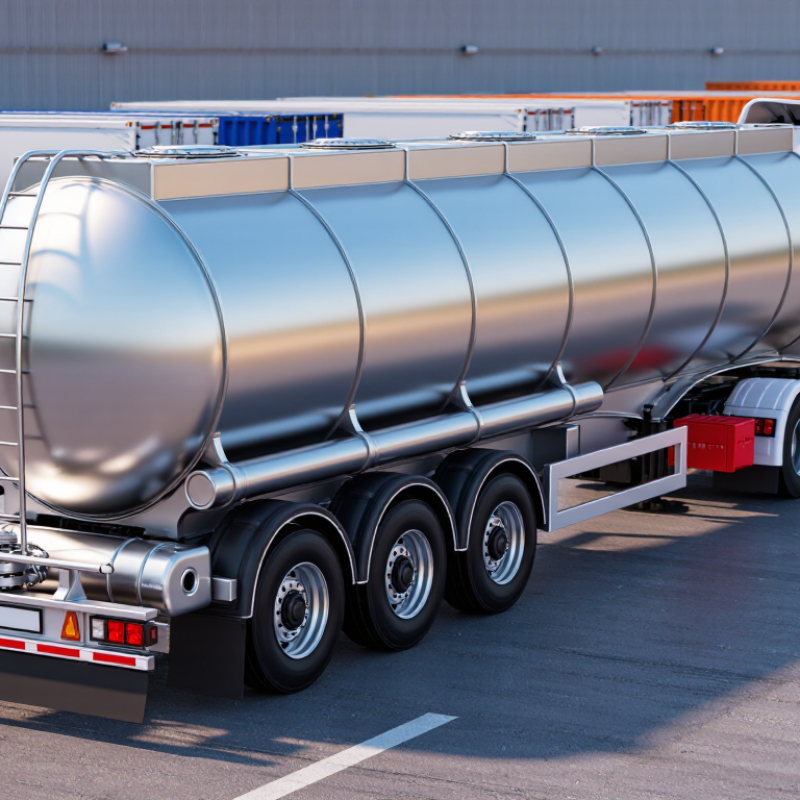
A bulk tanker trailer carries dry powders, granules, or liquids in a sealed cylindrical tank. Common cargo includes cement, flour, milk, and industrial powders. The tank connects to a tractor through a fifth-wheel coupling. During unloading, a compressor pushes clean air into the vessel. Pressure lifts the material and moves it through a discharge pipe.
Simple principle. Careful control.
A dry-bulk model usually uses aeration pads near the tank floor. These pads loosen compacted material and improve flow. Liquid models depend on gravity, pumps, or controlled pressure. Tank shape, wall thickness, axle position, and valve design affect stability and unloading speed. In practice, operators should inspect seals, pressure gauges, hoses, and emergency valves before every trip.
FMCSA’s Large Truck and Bus Crash Facts 2022 recorded 5,837 large trucks involved in fatal crashes in the United States. That figure does not isolate tank trailers, but it highlights the importance of braking, load balance, and rollover prevention. The European Commission’s road freight statistics also show road transport moving more than 1.9 trillion tonne-kilometres across the EU in 2023. Efficient equipment matters.
A specification can look impressive on paper. Field performance may differ. Uneven loading, poor cleaning, or slow valve response can create costly delays. Buyers should verify pressure-test records, material compatibility, maintenance access, and real operating feedback before choosing a bulk tanker trailer.
Key Types, Capacities, and Applications of Bulk Tanker Trailers
China Best Bulk Tanker Trailer Manufacturer?
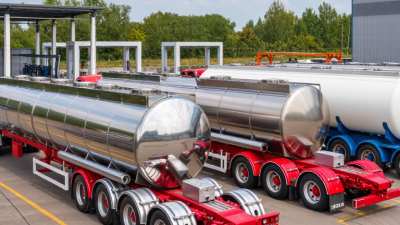
Choosing a bulk tanker trailer manufacturer requires more than comparing prices. Field inspections often reveal differences in weld quality, valve protection, and discharge stability. Dry bulk pneumatic trailers commonly carry cement, flour, grain, or mineral powders. Their capacities often range from 20 to 60 cubic meters, depending on axle limits and operating conditions. Liquid tankers usually carry 25 to 45 cubic meters of food-grade liquids, fuel, or industrial materials. Stainless steel supports hygiene, while aluminum reduces weight. A larger tank is not automatically better.
Application should guide the design. Construction fleets may need strong compressors and fast powder discharge. Food transport requires smooth internal surfaces, easy cleaning, and clear material certificates. Agricultural operations may prefer moderate capacity and simple maintenance. Experienced buyers should review pressure ratings, manhole access, suspension design, emergency valves, and corrosion protection. I have seen buyers focus on capacity first, then discover poor unloading performance. That mistake is expensive, but avoidable. Manufacturer communication also matters, especially when drawings or inspection records seem incomplete.
Tips: Match capacity to local road limits. Ask for weld inspection records. Test the discharge system before delivery. Check spare-part availability. Leave room for honest doubt. Performance can change with climate, powder density, and loading habits. A careful factory should explain these limits clearly, not promise everything.
Essential Materials, Components, and Manufacturing Standards
China Best Bulk Tanker Trailer Manufacturer?
Material choice defines a tanker trailer’s service life, weight, and cleaning performance. The World Steel Association reported 1.89 billion tonnes of global crude steel production in 2023. The International Stainless Steel Forum recorded 58.4 million tonnes of stainless steel production during the same year. These figures show the scale of material supply, not automatic quality.
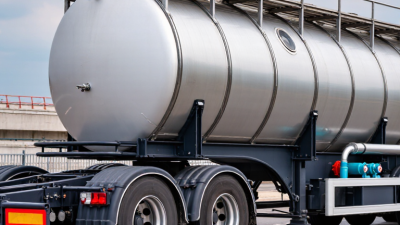
For corrosive or humid cargo, 304L or 316L stainless steel may offer stronger resistance. Dry powder trailers often require carbon steel shells with carefully protected inner surfaces. Thickness must follow load calculations, corrosion allowance, and operating pressure. The shell, chassis, axles, valves, manlids, air lines, and pressure-relief devices must work as one system. Small valve errors can create serious cleaning problems. That detail is easy to underestimate.
Manufacturing should reference applicable GB/T pressure-vessel requirements, EN 13094, or ASME Section VIII, depending on the market and cargo. Welding procedures need qualified operators, traceable filler materials, and documented inspection records. ISO 3834 provides a useful quality framework for welded fabrication. Factory checks should include dimensional inspection, weld non-destructive testing, pressure testing, and leak testing. A certificate alone is not enough. In practice, material heat numbers sometimes receive less attention than they deserve. That weakness needs correction. A reliable manufacturer keeps mill certificates, weld maps, test results, and final inspection records together, allowing each tank component to be traced before delivery.
How to Evaluate a Bulk Tanker Trailer Manufacturer in China
A reliable bulk tanker trailer manufacturer in China should be judged by evidence, not showroom appearance. The 2023 ISO Survey recorded more than 450,000 ISO 9001 certificates in China, but certification alone proves limited capability. Ask for the factory’s current certificate, audit scope, and corrective-action records. Then inspect welding procedures, material certificates, tank drawings, and production traceability. Every shell plate should connect to a verifiable heat number. Small details matter.
Safety testing deserves direct attention. Request pressure-test records, leak-test results, weld inspection reports, and calibration certificates for testing equipment. Check whether the manufacturer follows the required standards for your destination market, such as ADR, ASME, or applicable national rules. The World Bank’s 2023 Logistics Performance Index gave China a score of 3.7, showing strong logistics performance, but transport quality still varies between factories. Delivery promises need evidence. Review recent production schedules, spare-parts availability, and response times after installation.
Walk through the workshop.
Speak with the quality manager, not only the salesperson. A serious manufacturer can explain tank thickness, axle selection, braking balance, discharge design, and inspection intervals in practical language. Independent inspection before shipment is sensible, especially for a first order. I would also compare three completed units, because one perfect sample can hide inconsistent workmanship. This step may feel slow. It is often cheaper than correcting poor welds, delayed parts, or unsuitable specifications after arrival.
How to Evaluate a Bulk Tanker Trailer Manufacturer in China
The chart presents a practical procurement scoring framework for comparing bulk tanker trailer manufacturers. Regulatory compliance, material traceability, and inspection quality receive the highest weights because they directly affect operating safety, product durability, and approval in the target market. Buyers should verify certificates, welding records, pressure-test reports, dimensional inspections, delivery performance, and after-sales support before making a final decision.